Why XML Sitemaps are Important for eCommerce SEO

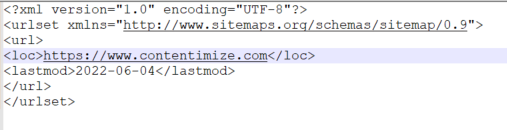
Even the best and largest search engines need some guidance. When it comes to SEO signal, every little bit we could provide Google to make its indexing easier would be a blessed thing that will likely play in our favor. Today we’ll discuss the importance of the role of XML sitemaps.
What is an XML sitemap anyway?
An XML sitemap is an auto-generated file that lists all the pages of a website and provides additional information about each page to help search engines crawl and index them more effectively. Oftentimes, the info includes the date when the page was last updated, how often the page changes, the page’s priory and more). XML sitemap uses a standardized format used by webmasters to communicate with search engines and provide them with important details about the structure and content of a website.
Why XML Sitemaps are needed?
The purpose of an XML sitemap is to improve the search engine optimization (SEO) of a website by making it easier for search engine crawlers to discover and understand the website’s pages. By including all the URLs and relevant metadata in the XML sitemap, Google and the other search engines can quickly identify new or updated pages and ensure they are properly indexed in their search results. It greatly helps eCommerce SEO strategies index products and categories and drive more organic traffic which could result in greater sales.
Are XML Sitemaps a must?
Having an XML sitemap is not mandatory for search engine indexing, but it’s considered a best practice for very most websites, especially for large or complex sites, as it can help search engines discover and index content more efficiently. Many content management systems and SEO plugins provide automatic XML sitemap generation, making it easier for website owners to create and maintain them. This is especially true for WordPress based websites.
Main Advantages of having an XML sitemap
XML sitemaps are important for several reasons:
- Improved Search Engine Crawling: XML sitemaps provide search engines with a comprehensive map of your website’s structure and content. By submitting an XML sitemap to search engines like Google, Bing, or Yahoo, you ensure that search engine bots can discover and index all the relevant pages on your site. This can enhance the visibility of your website in search engine results and increase the chances of your pages being indexed promptly.
- Indexing of Complex Websites: If your site has numerous pages, dynamic content, or pages that are not easily discoverable through internal linking, an XML sitemap can assist the search engine bots find and index those pages more effectively.
- Prioritization of Important Pages: Within an XML sitemap, you can assign priority values to individual pages, indicating their relative importance. This provides search engines with a signal about which pages you consider most significant, helping them prioritize the crawling and indexing of those pages. While search engines ultimately decide how to crawl and index your site, the priority attribute can influence their behavior.
- Freshness and Frequency Information: XML sitemaps can include additional metadata, such as the last modified date and change frequency of each page. This information helps search engines understand the update frequency of your content. If search engines find that your site frequently updates valuable content, they may crawl it more frequently, ensuring that the latest versions of your pages are indexed quickly.
- Better Visibility for New Websites: By submitting an XML sitemap, you can provide search engines with a way to discover your site and its content promptly, allowing for faster indexing and visibility in search results.
- Content Organization and Hierarchy: XML sitemaps offer a structured view of your website’s content, including its hierarchy and relationships between pages. This can be useful for both search engines and users, providing a clear overview of your website’s structure and facilitating navigation.
Overall, XML sitemaps are essential for ensuring that search engines effectively crawl, discover, and index your website’s pages. They contribute to improved SEO efforts, enhance the visibility of your website, and can help deliver relevant search results to users. In the case of eCommerce, they could help with growth of organic traffic to products, which will improve the eCommerce SEO sales. Have a solid XML sitemap on your site!